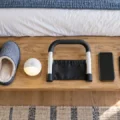

Making a bedroom safer can significantly reduce the chance of falls, injuries, and the stress that comes with nighttime movement. How to create a fall safe bedroom is a practical question caregivers and older adults ask because small changes often produce large safety gains. This guide explains clear steps you can take at home to lower fall risk around the bed, with straightforward explanations, checklists, and realistic examples.
Quick answer
How to create a fall safe bedroom: Start by clearing pathways, improving lighting, and arranging the bed at a safe height. Add simple assistive tools such as grab bars, non-slip rugs, and a stable nightlight, and review medications and health-related risks with a healthcare professional. These steps, combined with a regular safety check, can make a bedroom safer for people with mobility limitations or balance concerns.
These changes work best alongside a step-by-step plan for preventing falls from bed in seniors.
Why this matters
Falls in and around the bedroom are a common source of injury for older adults and people with mobility problems. Bedrooms are places where people get in and out of bed, move at night to use the bathroom, and may navigate in low light. Each of these situations increases the chance of a trip or loss of balance.
Safer bedrooms reduce injury risk and support independence. Practical changes can also lower caregiver burden, improve sleep confidence, and prevent complications that arise after a fall.
How falls happen in bedrooms
Understanding the most common ways falls occur helps prioritize fixes. Falls in bedrooms often happen because of one or more of the following:
- Poor lighting: Moving from bright to dark spaces or waking up to dim rooms can impair vision and depth perception.
- Clutter and obstacles: Cords, shoes, loose rugs, and furniture in walking paths can cause trips.
- Unsafe bed height: Beds that are too high or too low make transfers difficult.
- Slippery floors: Smooth wood or tile floors without traction can cause slips, especially with socks.
- Unsteady transfers: Getting in and out of bed without support, especially at night when people are groggy.
- Medications and health issues: Dizziness, low blood pressure, or medication side effects can reduce balance.
Main causes to address
Environmental hazards
Items that seem harmless can create hazards when a person is tired, in low light, or moving quickly. Examples include floor clutter, unsecured throw rugs, electrical cords, and furniture placed close to walking paths.
Physical and medical factors
Reduced strength, balance problems, vision changes, and cognitive impairment increase fall risk. Medications that cause drowsiness or low blood pressure can make nighttime movement riskier.
Poor nighttime routines
Rushing to the bathroom, skipping a nightlight, or not having assistive devices within reach can lead to unsafe transfers and trips.
Risk factors that can increase bedroom falls
- Advanced age and muscle weakness.
- Impaired vision or poor night vision.
- Multiple medications, particularly sedatives, antihypertensives, or medications that cause dizziness.
- History of prior falls.
- Cognitive impairment that affects judgment or memory.
- Home layout with long paths to the bathroom or steep steps.
- Footwear or clothing that restricts movement.
Who is most at risk
People most likely to benefit from a fall safe bedroom include:
- Older adults with reduced balance or strength.
- People recovering from surgery or illness.
- Individuals with mobility aids such as walkers or canes.
- People taking medications that cause drowsiness or dizziness.
- Caregivers of those with memory or cognitive concerns who may get up at night.
How to create a fall safe bedroom: practical prevention strategies
This section provides concrete steps and checklists you can use right away. Group the tasks into immediate, short-term, and longer-term changes to make planning easier.
Immediate actions you can do today
- Clear walking paths from the bed to the door and bathroom.
- Remove loose rugs or secure them with non-slip backing or double-sided tape.
- Place a stable nightlight within easy reach and add motion-activated lights along the path.
- Move commonly used items such as water, phone, and glasses within arm’s reach of the bed.
- Wear supportive, non-slip footwear when getting up at night.
Short-term home changes
Optimize lighting
- Install layered lighting: bedside lamp, low-level path lighting, and brighter overhead light for dressing or activities.
- Use motion-sensor nightlights between the bed and bathroom to avoid fumbling for switches.
- Choose warm, non-glare bulbs and ensure switches are easy to reach from bed.
Adjust bed height and position
- Measure the bed height from floor to top of mattress. Aim for a height that allows the feet to be flat on the floor and knees at about hip level when sitting, which eases transfers.
- If the bed is too high, lower the bed frame or use a thinner mattress. If it is too low, consider bed risers that securely increase height, or a hospital-style adjustable bed when appropriate.
- Place the bed so one side has clear access to a wall or sturdy furniture that can act as support during transfers.
Install grab bars and rails safely
- Install wall-mounted grab bars near the bed and along the path to the bathroom, anchored into studs or using secure mounting hardware.
- Bed rails can help some people with transfers, but they are not appropriate for everyone. Discuss benefits and risks with a healthcare or home safety professional before installing full-length rails.
- Consider bedside assist rails designed to help with repositioning and getting in and out of bed; ensure they are installed correctly and do not create entrapment hazards.
Improve flooring and rugs
- Replace slippery flooring or add traction mats near the bed and bathroom.
- Choose low-pile rugs with non-slip backing and remove small throw rugs that can slide.
- Keep a clear, wide path between the bed and door to avoid obstacles.
Organize furniture and storage
- Keep essential items within easy reach to avoid reaching across or stepping out of bed to access them.
- Avoid placing small furniture, footstools, or decorative items where they could be tripped on in the dark.
- Consider a small bedside table with stable surface and rounded corners.
Assistive devices and technology
Several devices can reduce fall risk, but they should match the person’s needs and physical ability.
- Bedside commode or urinal: For people with frequent nighttime urination, placing a commode near the bed reduces distance to travel.
- Bed alarm or motion sensor: Alerts caregivers when a person gets out of bed. Useful for people at high fall risk, particularly those with cognitive impairment.
- Pressure-sensitive mats: Placed beside the bed to detect stepping and trigger an alarm.
- Adjustable beds: Electric beds change height and position, helping transfers and getting in and out of bed safely.
- Grab bars and pole supports: Installed safely to provide leverage during transfers. Avoid improvised supports that are not load-rated.
Medication and health review
Meet with a healthcare provider or pharmacist to review medications that may affect balance. Use language such as medications that may increase risk of dizziness or drowsiness. Changing the timing or lowering the dose of certain medications can sometimes reduce nighttime falls, but any change should be done under medical supervision.
Vision and hearing
- Ensure regular eye exams and update glasses as needed, including appropriate reading glasses for nighttime activities.
- Hearing problems can affect spatial awareness. Address hearing loss with a professional, as improved hearing can support safer navigation.
Footwear and clothing
- Wear shoes with non-slip soles when getting out of bed at night, or use non-slip socks or slippers with traction.
- Avoid loose, long clothing or nightwear that could catch on furniture or cause tripping.
Physical activity and balance training
Strength and balance exercises can reduce fall risk over time. Programs such as tai chi, physical therapy, or community exercise classes that focus on balance may be appropriate. Any new exercise program should be discussed with a healthcare professional first.
Routine and planning
- Establish a simple nighttime routine that includes turning on low lights before getting out of bed.
- Keep a glass of water and phone within reach to reduce the need to move when thirsty or distressed during the night.
- Plan for assistance during nighttime if recent mobility changes or dizziness are present.
Practical checklist: room-by-room and task-by-task
Use this checklist to perform a quick bedroom safety review.
- Lighting: Bedside lamp, motion-sensor path lighting, switch within reach.
- Pathway: Clear route to door and bathroom, remove clutter.
- Flooring: Non-slip surfaces, secure rugs, remove throw rugs.
- Bed position: Adequate height for transfers, stable footboard or support near bed.
- Assistive devices: Grab bars, bed rails if appropriate, bedside commode if needed.
- Emergency items: Phone or call pendant within reach, flashlight available, caregiver plan in place.
- Health check: Medication review scheduled, vision and hearing checks current, mobility aids in good repair.
Common mistakes to avoid
- Ignoring lighting needs: Relying only on overhead lights can leave pathways dark at night. Install accessible night lighting instead.
- Using unsecured aids: Leaning on furniture that is not anchored can cause falls. Use hardware-mounted grab bars and load-rated supports.
- Installing bed rails without guidance: Full bed rails can create entrapment risks or make transfers harder. Discuss with a clinician before adding them.
- Assuming slippers are safe: Slippery-soled slippers increase risk. Choose supportive footwear with good traction.
- Over-cluttering for convenience: Storing too many items beside the bed can reduce clear space and increase trip risk.
When professional help may be needed
Consider professional assessment or intervention if:
- There was a recent fall even if no injury occurred.
- There is a sudden change in mobility, balance, or cognition.
- Home modifications require structural changes, such as installing grab bars or moving furniture on an uneven floor.
- Medications cause recurrent dizziness, fainting, or extreme drowsiness.
- Decision about bed rails or an adjustable hospital bed is needed, as these require individualized evaluation.
Professionals who can help include occupational therapists, physical therapists, home safety assessors, and geriatric clinicians. They can recommend personalized solutions such as transfer training, assistive devices, and appropriate equipment that matches the person’s abilities.
Practical scenarios and examples
These generalized scenarios show how different strategies can be combined.
- Limited mobility with frequent night trips: Place a bedside commode, add motion-sensor lights, and keep a bedside phone. Review medications with a clinician to see if nighttime dizzy spells can be reduced.
- Someone with poor night vision: Add low-level floor lighting and a bedside lamp with a large, easy-to-use switch. Remove clutter and choose high-contrast paths by using rugs that contrast with the floor color.
- Recent surgery with weakness: Use a temporary adjustable bed or add bed risers for safe height, clear the path to the bathroom, and ensure an assistive device such as a walker is within reach near the bed.
Products and adaptations to consider
Products can help, but usability and proper installation matter more than brand. Examples include:
- Non-slip rug pads and low-pile rugs.
- Motion-activated nightlights and path lights.
- Bedside grab rails designed for safe transfers.
- Adjustable beds or bed bridges when recommended by clinicians.
- Pressure mats and bed alarms for people at high risk of wandering or unsafe nighttime exits.
When choosing products, prioritize certified or clinically recommended items and ensure installation follows manufacturer guidance or is completed by a professional.
Frequently asked questions
What bed height is safest to reduce falls?
A bed height that allows the person to sit with their feet flat on the floor and knees at or near hip level is generally safest. This position helps with steady transfers in and out of bed. Adjustments can be made with bed frames, mattress thickness, or bed risers. If unsure, an occupational therapist can measure and recommend the best height for an individual.
Are bed rails safe to use for fall prevention?
Bed rails may help some people by providing support during transfers, but they are not appropriate for everyone. Rails can create entrapment or make it harder for a person with limited mobility to get out of bed safely. Discuss the risks and benefits with a healthcare professional before installing bed rails, and follow safety standards for installation.
How can I make the path to the bathroom safer at night?
Install motion-sensor lighting or low-level path lights, remove obstacles, secure rugs, and place a nightlight in the bathroom. If distance is long or mobility is limited, consider a bedside commode to avoid repeated night walks.
What should I do if medications cause dizziness at night?
Do not stop medications on your own. Schedule a review with the prescribing clinician or a pharmacist. They can evaluate which medications may increase fall risk and discuss options such as timing adjustments, dose changes, or alternative medicines that may lower nighttime side effects.
Is it better to use a walker or cane at night?
The best mobility aid depends on the person’s balance and strength. Walkers provide more stability than canes but require space to maneuver. Keep the chosen aid within arm’s reach of the bed and ensure it is in good condition. An occupational or physical therapist can recommend and train the person in safe use.
How often should I reassess bedroom safety?
Reassess at least every six months, or sooner after any change in health, medication, mobility, or after a fall. Regular checks help catch new hazards and adapt the bedroom to changing needs.
Can decluttering really reduce falls?
Yes. Decluttering reduces tripping hazards and creates a clear path during low-light conditions. Removing unnecessary furniture, cords, and small items near the bed has a measurable impact on safety.
Conclusion
How to create a fall safe bedroom involves simple, practical steps that address environment, lighting, assistive supports, and health factors. Start with immediate fixes such as clearing pathways, adding night lighting, and securing rugs. Follow with short-term changes like adjusting bed height, adding grab bars, and reviewing medications. For complex needs, seek an occupational therapist or home safety assessor for a personalized plan.
Small, consistent changes make the bedroom safer and increase independence. Use the checklists and guidance here to prioritize actions, and schedule a professional review when mobility or health needs change.