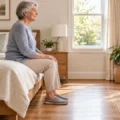

Many older adults and their caregivers worry about getting up at night, tripping near the bed, or falling when transferring in and out of bed. Bedroom safety tips for seniors can reduce fall risk, improve independence, and make night-to-night routines safer and less stressful. This guide covers practical changes you can make in the bedroom, simple equipment options, and steps for caregivers and older adults to prevent injuries while preserving dignity and mobility.
Quick answer
Simple, low-cost changes in bedroom layout, lighting, footwear, and routines can significantly reduce fall risk for older adults. Combine environmental modifications, assistive devices when appropriate, and health-focused actions such as medication review and strength training to get the best results.
Why this matters
Most falls among older adults happen at home, and the bedroom is a common location because it is used frequently during vulnerable times such as at night or early morning. A fall can lead to injury, reduced confidence, and loss of independence. Practical bedroom safety changes help prevent those outcomes and make daily life safer and easier for older adults and the people who care for them.
How this happens
Falls in the bedroom usually result from a combination of factors. Reduced balance or muscle strength, low lighting, clutter, tripping hazards, medication side effects, and sudden need to reach the bathroom can all contribute. Often there is no single cause; small risks add up and create an unsafe situation when a person is tired, dizzy, or moving quickly.
Main causes of bedroom falls
- Poor lighting. Dim rooms and moving between light levels make it hard to see obstacles.
- Trip hazards. Loose rugs, cords, clutter, and uneven floor surfaces increase the chance of tripping.
- Unsafe bed height. Beds that are too low or too high make transfers harder and increase strain.
- Impaired mobility or balance. Weakness, joint pain, and neurological changes can impair safe transfers.
- Medication effects. Dizziness, drowsiness, and orthostatic hypotension can follow certain medicines and raise fall risk.
- Urgent nighttime needs. Rushing to the bathroom in the dark increases likelihood of a fall.
- Inadequate assistive equipment. Lack of appropriate aids such as grab bars or transfer devices can make routine movements dangerous.
Risk factors to consider
- Multiple medications. Taking several prescriptions or sedatives can increase dizziness and confusion.
- Limited vision or hearing. Reduced sight makes obstacles harder to detect. Hearing loss can reduce awareness of hazards or alarms.
- Balance and strength loss. Age-related muscle decline can make transfers and stepping safer if addressed.
- Chronic conditions. Conditions such as arthritis, Parkinson-like symptoms, stroke-related weakness, or neuropathy may increase risk.
- History of prior falls. A previous fall is a strong indicator of future fall risk and calls for targeted prevention.
- Incontinence or nighttime urgency. Frequent nighttime bathroom trips raise exposure to hazards.
- Home environment factors. Poor layout, cluttered pathways, or slippery floors elevate risk.
Who is most at risk
People most vulnerable include older adults with reduced mobility or balance, those taking medications that cause drowsiness or dizziness, individuals with vision problems, and people who must get up during the night frequently. A person who uses a cane or walker, or who has muscle weakness on one side, may also be at higher risk during bedroom transfers.
For practical tips on safe bed height and transfer techniques, consult How to Prevent Falls from Bed for Seniors.
Bedroom Safety Tips For Seniors
The following practical strategies and adjustments are grouped by area of concern. Use them as a checklist to review and improve safety in the bedroom.
Room layout and clear pathways
- Keep a wide, unobstructed path from the bed to the bathroom and door. Aim for at least 36 inches where possible to allow use of a walker.
- Remove small furniture or decorative items that sit in walking paths. Even low objects can cause a trip.
- Store commonly used items such as glasses, medications, and phone within easy reach on the bedside table so the person is less likely to get up unnecessarily.
- Choose furniture with stable, square legs over small casters. Furniture that moves can cause a loss of balance when used for support.
Lighting improvements
- Install layered lighting. Use a combination of ceiling lights, bedside lamps, and nightlights so the room is never too dark when moving around.
- Use motion-sensor nightlights along the path from bed to bathroom so lights come on automatically when someone gets up.
- Place a low-level nightlight near the bed and a brighter light near the bathroom entrance. Gradual lighting helps eyes adjust.
- Use bulbs with a color temperature that imitates daylight during waking hours to boost visibility. Check lamp switches for ease of use.
Bed height and bedding
- Choose a bed height that allows the feet to rest flat on the floor when seated, with knees at about hip level. This makes sitting and standing easier and safer.
- If the current bed is too low, consider a mattress riser or a firmer mattress instead of stacking unstable surfaces. If it is too high, lower the bed frame if possible.
- Avoid overly soft mattresses that make getting into and out of bed harder. Medium-firm mattresses usually provide better support for transfers.
- Use fitted sheets and secure blankets to avoid excess fabric pooling on the floor. Keep bedding light enough for easy movement while sleeping.
Flooring and rugs
- Remove small throw rugs from the pathway. If rugs are used, secure them with non-slip pads or double-sided rug tape to prevent slipping.
- Choose non-slip flooring or add non-slip mats next to the bed and in front of the bathroom entrance.
- Clean floors promptly after spills and avoid highly polished finishes that can be slippery.
- Address uneven flooring with a professional. Even small height differences at thresholds can cause tripping.
Assistive devices and supports
- Bed rails. Bed rails can offer support during transfers and prevent rolling out of bed for some people. Use rails carefully. They may not be appropriate for people with confusion, severe mobility limitations, or the tendency to climb over them. Discuss risks and benefits with a healthcare provider or occupational therapist.
- Grab bars and poles. Install grab bars near the bed and bathroom entrance. Floor-mounted or overhead poles can also help a person sit up and stand more easily.
- Bedside commode or raised toilet seat. If the bathroom is far or difficult to reach at night, a bedside commode reduces the distance traveled and lowers fall risk.
- Transfer aids. Use transfer belts for caregivers assisting with standing. A gait belt gives a secure place to hold without putting hands under the person’s arms.
- Mobility aids. Ensure walkers or canes are within easy reach and sized correctly. A mobile phone or alarm device should be kept on the bedside table.
Clothing and footwear
- Encourage wearing well-fitting, low-heeled shoes or non-slip slippers when getting out of bed. Avoid socks alone on hard floors unless they have non-slip grips.
- Choose clothing that is easy to manage, especially at night. Elastic waistbands and simple fastenings reduce time spent balancing during dressing.
- Keep a robe or sweater within reach to avoid walking while cold, which can affect coordination.
Bathroom access and nighttime routines
- Make the bathroom easy to reach. If the walk is long or complex, consider a bedside commode at night.
- Install grab bars near the toilet and in the shower if present. A non-slip mat inside and outside the shower reduces slip risk.
- Encourage scheduled toileting before bedtime to reduce nighttime urgency. Limit excessive evening fluid intake if appropriate and discussed with a clinician.
- Keep the path between bed and bathroom well lit with motion sensors or easily accessible switches.
Medication review and health checks
- Schedule regular medication reviews with a primary care clinician or pharmacist. Some medications may increase dizziness, drowsiness, or low blood pressure when standing.
- Ask about timing of medicines. Taking certain medicines at night may reduce daytime side effects but could increase night-time risk.
- Discuss vision and hearing checks. Corrective lenses and hearing aids, when used, can improve safety.
- If fainting or sudden dizziness occurs, seek medical attention rather than only adjusting the environment.
Exercise, balance, and strength
- Encourage regular balance and strength exercises. Programs such as tai chi, chair exercises, and supervised physical therapy can improve stability.
- Work with a physical therapist to identify specific exercises tailored to the individual. Improving leg strength and balance reduces fall risk during transfers.
- Practice safe transfer techniques under supervision until a safe method is established and comfortable for the person.
Emergency preparedness and communication
- Keep a phone, personal alarm, or wearable alert within reach of the bed. Test devices regularly to ensure they work.
- Develop a plan for what to do after a fall. If the person cannot get up, they should try to protect their head and call for help rather than attempting a risky climb.
- Share health and mobility limitations with family or caregivers so responders know how to assist safely.
Environmental monitoring and technology
- Consider pressure-sensitive bed alarms for people at high risk who may get up unsafely during the night. These alarms alert a caregiver when the person leaves the bed.
- Use smart lighting or sensors that turn on lights when movement is detected. This avoids fumbling for switches in the dark.
- Video monitoring may be useful for caregivers, but address privacy concerns first and use only with informed consent.
Common mistakes to avoid
- Relying only on furniture for support. Using unstable chairs or dressers to help stand can lead to falls. Install proper grab bars or use a cane/walker sized for the person.
- Overcrowding the bedside table. Clutter makes it harder to find necessary items and increases the chance of knocking things over during transfers.
- Ignoring footwear. Walking barefoot or in socks on smooth floors is a frequent contributor to slips.
- Delaying medical review. Assuming dizziness or falls are normal with age can miss treatable causes such as medication effects, orthostatic hypotension, or vision problems.
- Using bed rails without assessment. Bed rails can prevent falls but may create entrapment hazards or make transfers harder for some people. Have a professional assess appropriateness.
How to choose and use bed rails safely
Bed rails are a common consideration for bedroom safety. They can provide support when sitting up and reduce the chance of rolling out of bed. However, they are not suitable for everyone. Use these guidelines when considering bed rails.
- Discuss with a clinician or occupational therapist before installing rails. They will assess mobility, cognition, and the risk of entrapment.
- Choose rails designed for the specific bed and mattress type. Avoid improvised solutions such as pushing furniture against the bed.
- Install rails following manufacturer instructions and check them regularly for stability.
- Assess whether rails limit the ability to exit the bed safely. For people who may try to climb over rails, alternative supports like floor mats and bed alarms may be safer.
When professional help may be needed
Some situations call for evaluation by a healthcare professional or home safety specialist. Consider seeking help when any of the following apply:
- Repeated falls or near-falls.
- New or worsening dizziness, fainting, or balance problems.
- Marked changes in mobility, strength, or cognition.
- Difficulty performing transfers safely even with simple aids.
- Uncertainty about the right assistive device such as a walker, cane, or bed rail.
- Concerns about bathing, toileting, or nighttime wandering.
An occupational therapist can perform a home safety assessment and recommend specific changes or devices. A physical therapist can design a fitness plan to improve strength and balance. Primary care clinicians can review medications and evaluate medical causes of falling.
Practical checklist to use tonight
Use this short checklist to make immediate improvements that often make the biggest difference.
- Turn on a bedside nightlight and test motion-sensor lights along the path to the bathroom.
- Clear the floor of clutter and remove small rugs or secure them with non-slip pads.
- Place a stable chair or walker within easy reach from the bed if needed.
- Keep a phone or alert device on the bedside table and within reach of the person.
- Ensure footwear is available at the bedside for walking to the bathroom.
- Check that the bed height allows feet to rest flat on the floor when seated.
Practical examples and scenarios
Here are generalized scenarios that show how common strategies can be applied.
- A person who needs to get up several times at night benefits from a bedside commode. This reduces nighttime trips across poorly lit hallways and can lower fall risk.
- An older adult who finds it hard to stand from a low bed can try a firmer mattress or an adjustable bed base to raise the seat height, improving ability to stand without strain.
- A person who becomes dizzy when standing up might have medication-related orthostatic hypotension. A medication review, along with rising slowly and sitting at the edge of the bed for a minute before standing, may help.
Devices and products: what to look for
When choosing devices for bedroom safety, focus on simplicity, reliability, and fit to the person’s needs.
- Nightlights and motion sensors. Look for models with adjustable brightness and reliable motion detection across the intended path.
- Bed rails. Choose rails with clear installation guides and compatibility information for mattress thickness and bed frame types.
- Non-slip mats. Select mats with good grip on both the floor and the mat surface. Replace when worn.
- Personal alarm systems. Prefer systems with easy activation, long battery life, and clear instructions for responders.
- Walkers and canes. Ensure devices are sized and fitted by a professional. Folding walkers add portability but must lock securely when in use.
Frequently asked questions
How high should a bed be for safety?
A safe bed height generally allows the person to sit with feet flat on the floor and knees at about hip level. This position makes it easier to stand using leg strength. Exact height varies by person. If the bed is too low or too high, consider mattress adjustments, risers, or an adjustable bed base after checking for stability and safety.
Are bed rails safe for seniors who are unsteady?
Bed rails can be helpful for some older adults, but they are not universally safe. For people with confusion, restlessness, or a tendency to climb, rails can increase risk of entrapment or injury. A professional assessment can determine if rails are appropriate and which type is best. Alternatives include floor mats, bed alarms, and closer supervision.
What lighting setup works best at night?
Layered lighting is best. Use a low-level nightlight near the bed, brighter lights near the bathroom, and motion-activated lights along the walking path. This combination helps the eyes adjust gradually and reduces the need to fumble for switches in the dark.
Should I remove all rugs from the bedroom?
Not necessarily. Small rugs can pose a trip hazard if unsecured. Either remove rugs from walking paths or secure them with non-slip underlays. Larger area rugs that lie flat and are well secured can be safe and add cushioning. Evaluate each rug for edge lifting, wrinkles, and slipping potential.
How can medications affect nighttime safety?
Certain medications, including sedatives, some blood pressure medicines, and medications that cause dizziness, may increase fall risk. A medication review with a clinician or pharmacist can identify drugs that may be contributing to nighttime falls or dizziness and consider dose adjustments or alternatives.
When is it time to call a professional for a home safety assessment?
Call for a professional assessment if the person has had repeated falls, shows new balance problems, experiences dizziness, or needs help with transfers despite simple interventions. An occupational therapist can recommend environmental modifications and appropriate assistive devices tailored to the individual.
How can caregivers support safer nighttime routines?
Caregivers can set up a clear, well-lit path to the bathroom, ensure assistive devices are within reach, place a phone or alarm at the bedside, and encourage routines that reduce nighttime urgency such as scheduled toileting. They should also support regular medication reviews and exercise programs to improve strength and balance.
Conclusion
Making the bedroom safer for older adults involves practical, manageable steps that address environment, equipment, and health. Key actions include improving lighting, clearing paths, choosing an appropriate bed height, securing rugs, and using assistive devices when they help. Regular medication reviews, vision and hearing checks, and targeted exercise also reduce risk. When uncertainty exists, consult an occupational or physical therapist for a personalized home safety assessment. Small, sensible changes often make a large difference in preventing falls and preserving independence.