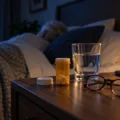

Dehydration can increase the risk of falls in older adults. Many factors related to low fluid levels affect balance, blood pressure, muscle strength, and thinking. Recognizing how dehydration contributes to instability helps caregivers and older adults take practical steps to reduce fall risk.
Quick answer: Yes. Dehydration can increase fall risk in seniors by causing dizziness, low blood pressure, muscle cramps, and confusion. Even mild dehydration can make standing and walking less safe, so staying adequately hydrated is a simple, practical step to help reduce falls.
Why this matters
Falls are a leading cause of injury and loss of independence for older adults. Many fall prevention strategies focus on strength, vision, footwear, and home hazards. Hydration is often overlooked, yet fluid status affects multiple body systems that support safe mobility. Addressing dehydration is a low-cost, low-risk intervention that may reduce dizziness, improve muscle function, and support clearer thinking.
Can dehydration increase fall risk in seniors?
Yes. Dehydration can increase fall risk in seniors through several mechanisms. It can lower blood pressure when standing, cause orthostatic symptoms, reduce muscle function, and impair attention and reaction time. These effects make it harder to stand up safely, react to balance losses, and navigate uneven surfaces. Hydration is one of several modifiable risk factors that caregivers can monitor and improve.
How dehydration contributes to falls
Understanding the specific ways dehydration affects balance and safety helps prioritize prevention. The main pathways include changes in blood volume, cardiovascular responses, muscle performance, cognitive function, and medication interactions.
Reduced blood volume and low blood pressure
When the body loses water, blood volume can fall. Lower blood volume may lead to lower blood pressure, especially when standing up. This drop in pressure can cause lightheadedness, blurred vision, or fainting. Even a temporary drop in blood pressure increases the chance of losing balance during everyday activities such as getting out of bed, standing from a chair, or walking to the bathroom at night.
Orthostatic symptoms
Orthostatic hypotension is a drop in blood pressure when moving from sitting to standing. Dehydration can make orthostatic symptoms more likely and more severe. Symptoms include dizziness, weakness, and near-fainting. These episodes commonly occur during routine movements and are an important cause of falls.
Impaired muscle function and cramps
Muscles need adequate fluid and electrolytes to contract and relax effectively. Dehydration can cause muscle weakness, cramps, and slower muscle response. Reduced muscle strength affects gait, ability to rise from chairs, and the ability to recover from slips. Even small losses in physical power can make a difference when balance is challenged.
Cognitive effects and slower reactions
Dehydration can impair attention, concentration, and reaction time. Older adults who are dehydrated may have trouble judging dangerous situations, reacting quickly when they begin to fall, or remembering to use walking aids. Cognitive slowing increases the likelihood that a stumble will lead to a fall.
Urinary urgency and nighttime bathroom trips
Concentrated urine due to low fluid intake may irritate the bladder and increase urgency. Combined with medications and mobility limitations, urgency can lead an older adult to rush to the bathroom, often in the dark, increasing fall risk. Nighttime bathroom trips are a common moment for falls.
At night, using protective rails like Bed Guards for Seniors can reduce injury risk during rushed bathroom trips.
Medication interactions
Many common medications for older adults affect hydration or blood pressure. Diuretics increase fluid loss and can contribute to dehydration. Some blood pressure medications increase the risk of orthostatic hypotension. Dehydration can magnify these effects and make medication side effects more likely to cause dizziness and falls.
Main causes of dehydration in older adults
Older adults are at higher risk of dehydration for biological, social, and environmental reasons. Recognizing common causes helps caregivers target interventions.
- Reduced thirst sensation: Aging often reduces the natural feeling of thirst, so older adults may not drink enough even when the body needs fluids.
- Mobility and access issues: Difficulty reaching the kitchen, impaired hand function, or fear of spilling can make drinking less frequent.
- Illness and fever: Infections, fever, vomiting, or diarrhea increase fluid loss and can quickly cause dehydration.
- Medications: Diuretics, laxatives, and some psychiatric or Parkinson disease medications can increase fluid loss or impair regulation.
- Swallowing problems: Dysphagia or discomfort when swallowing may lead to intentional fluid restriction to avoid choking.
- Cognitive impairment: People with memory problems may forget to drink or not recognize thirst.
- Intentional restriction: Some people limit fluids to avoid incontinence or frequent bathroom trips.
- Hot weather or low intake: Poor appetite, limited mobility, or hospital stays can reduce routine fluid intake.
Risk factors that increase the danger of dehydration-related falls
Certain conditions and situations make the combination of dehydration and falls more likely. These risk factors are common among older adults.
- Use of diuretics or multiple blood pressure medicines, which can compound volume loss and orthostatic responses.
- Chronic conditions such as heart failure, kidney disease, or diabetes, which affect fluid balance and cardiovascular stability.
- Cognitive impairment or dementia that reduces the ability to remember drinking or to plan for bathroom trips.
- Mobility limitations that make reaching fluids, toilets, or steadying oneself more difficult.
- Recent acute illness, especially with fever, vomiting, or diarrhea.
- Hospitalization or long car rides where usual routines and fluid access are disrupted.
- Environmental hazards such as poor lighting, slippery floors, or uneven steps combined with fluid-related dizziness.
Who is most at risk
While any older adult can become dehydrated, some groups face higher risk of dehydration-related falls.
- Older adults taking diuretics, sedatives, or multiple antihypertensive medicines.
- People with limited mobility, balance problems, or recent falls.
- Individuals with cognitive impairment or memory loss.
- Residents of assisted living or nursing homes when staff do not reliably offer fluids.
- Older adults living alone who have limited access to fluids or who are reluctant to call for help when dizzy.
- Those recovering from surgery or an acute illness that reduced intake or increased losses.
Practical prevention strategies
Preventing dehydration is often straightforward. The strategies below focus on making drinking easier, monitoring fluid status, and reducing situations that raise fall risk.
Make drinking easy and routine
- Keep fluids within reach: Place a water bottle or cup with a lid on the bedside table and near chairs used for reading or watching TV.
- Offer a variety of fluids: Water is best, but tea, coffee in moderation, milk, and calorie-free flavored waters may increase acceptance. When appropriate, include soups and moisturizing foods such as fruits and stews.
- Use easy-to-hold containers: Cups with handles, bottles with straws, or spill-proof tumblers make drinking less effortful and reduce anxiety about spills.
- Set regular drinking cues: Encourage sipping at set times, such as with medications, before and after meals, and upon waking.
- Make fluids appetizing: Serve beverages at preferred temperatures, add a slice of fruit, or provide small, frequent servings.
Plan for bathroom needs and nighttime safety
- Schedule fluids earlier in the day: If nighttime bathroom trips are a major fall risk, shift some fluid intake to daytime while maintaining adequate overall hydration.
- Improve nighttime lighting: Install night lights or motion-activated lights along the route to the bathroom.
- Keep pathways clear: Remove rugs and obstacles between bed and bathroom. Ensure cords and clutter are out of the way.
- Consider bedside commodes or urinals: For people with mobility issues, a bedside commode can avoid long walks at night and reduce fall risk.
Monitor for signs of dehydration
Caregivers should look for both subtle and overt signs of dehydration. Early detection allows prompt steps to restore fluid balance.
- Common signs: Increased thirst, dry mouth, decreased urine output, dark urine, dizziness when standing, weakness, and fatigue.
- Less obvious signs: Confusion, agitation, decreased appetite, dry skin, and sunken eyes. In older adults, the usual thirst signal may be reduced, so absence of thirst does not rule out dehydration.
- Track fluid intake: Keep a simple daily log of fluids consumed. For people at risk, set a reasonable target and note shortfalls.
Address medications and medical conditions
- Review medications regularly: Ask a healthcare professional to review diuretics, laxatives, and blood pressure medicines for interactions that increase fall risk.
- Consider timing of diuretics: If a diuretic causes frequent nighttime urination, discuss whether dosing earlier in the day or changing the medication timing would help.
- Manage chronic conditions: Work with clinicians to optimize diabetes, heart failure, and kidney disease care to reduce fluid imbalance and orthostatic problems.
Improve overall balance and strength
Hydration is one part of fall prevention. Strength and balance exercises improve the ability to tolerate brief episodes of dizziness and reduce fall risk.
- Exercise programs: Encourage tailored strength and balance programs, such as chair exercises, standing leg exercises, and supervised physical therapy when indicated.
- Use mobility aids: Properly fitted canes and walkers can reduce fall risk when used consistently.
- Footwear and floor safety: Wear shoes with good traction and avoid walking in socks on smooth floors. Remove throw rugs and secure loose flooring.
Environmental modifications
- Improve lighting: Brighten hallways and bathrooms. Use night lights for safe navigation.
- Add grab bars: Install grab bars in bathrooms and next to beds or chairs where transfers occur.
- Consider bed height: A bed set at an appropriate height helps with safe transfers. Use step stools only when stable and necessary.
When to adjust fluid types and amounts
Fluid needs are individualized. Factors such as heart or kidney conditions may limit total fluids. Work with a clinician when medical conditions complicate hydration.
- Electrolyte solutions: In cases of active fluid loss from vomiting or diarrhea, an oral rehydration solution or electrolyte-containing beverage may be more effective than water alone.
- Fluid restrictions: Some people have fluid restrictions for heart or kidney disease. Follow medical advice and seek targeted strategies, such as small frequent sips, to avoid dehydration while respecting restrictions.
- Hospital or post-surgery: Be proactive about offering fluids and monitoring intake during hospital stays and recovery periods.
Practical tools and routines for caregivers
Caregivers can use simple tools to improve hydration and reduce fall risk.
- Fluid log sheet: Track daily intake with a checklist. Note type and volume of fluids. This helps spot trends and guide conversations with clinicians.
- Timed reminders: Set phone alarms or use a pillbox-like system to prompt regular drinking.
- Offer fluids during care tasks: Provide a drink when giving medications, during dressing, and after walking or exercise.
- Use visual cues: Place a brightly colored cup in commonly used spots to cue drinking.
- Train home aides and staff: Ensure all caregivers understand the importance of hydration and follow the care plan consistently.
Common mistakes to avoid
Avoiding these pitfalls helps maintain hydration without increasing risk of other problems.
- Waiting for thirst: Relying only on thirst misses many older adults who do not feel thirsty until they are already dehydrated.
- Restricting fluids without medical reasons: Limiting fluids solely to reduce toileting can cause dehydration and increase fall risk. Discuss alternatives with a clinician.
- Poor medication management: Not reviewing medicines that cause diuresis or orthostatic hypotension can leave a reversible cause of falls unaddressed.
- Ignoring mild symptoms: Mild dizziness or fatigue often precedes a fall. Early attention prevents escalation.
- Overloading at night: Encouraging large amounts of fluid right before bed to meet daily goals may lead to night-time trips and falls. Spread intake throughout the day.
When professional help may be needed
Seek healthcare advice when dehydration signs appear or when adjustments to medications or fluid plans are necessary.
Contact a healthcare professional if:
- There are repeated episodes of dizziness, fainting, or near-fainting.
- Confusion, significant weakness, or reduced alertness occurs.
- There is vomiting or diarrhea causing ongoing fluid losses.
- Urine output is markedly reduced or very dark despite increased drinking.
- Underlying medical conditions complicate fluid management, such as heart failure or advanced kidney disease.
Possible clinical actions
Medical providers may perform a medication review, check blood pressure and orthostatic changes, measure blood electrolytes, and recommend a specific fluid or electrolyte plan. In moderate to severe dehydration, intravenous fluids may be needed. Clinicians can also recommend physical therapy or home safety assessments if falls are frequent or risk is high.
Practical scenarios and examples
These generalized examples illustrate how dehydration and falls interact in everyday settings.
- A person who takes a diuretic and stands up quickly from a bed without sitting for a moment may feel lightheaded and stumble. Adjusting medication timing and ensuring a brief pause before standing helps reduce risk.
- An older adult who limits fluids during the day to avoid nighttime toileting may become mildly dehydrated, leading to slower reactions and a missed step on stairs. Encouraging small, frequent drinks and using a bedside commode can reduce both dehydration and fall risk.
- Someone hospitalized for infection who receives little fluid by mouth may develop dizziness when first trying to walk after discharge. Ensuring adequate oral or prescribed fluids and a supervised first walk helps prevent falls.
Monitoring and measuring hydration safely
Complete accuracy in measuring hydration usually requires clinical tests. Still, caregivers can use practical measures to monitor status at home.
- Fluid intake tracking: Note volumes when possible. A simple goal like 6 to 8 small cups may be reasonable for many people, but needs vary. Discuss individualized targets with a clinician.
- Check urine color: Pale straw colored urine usually indicates acceptable hydration. Dark yellow urine suggests concentration and possible dehydration. Remember that some vitamins and medications change urine color.
- Weighing: Daily weights can be useful for people with heart or kidney disease who need close fluid balance monitoring. Report significant weight drops to a clinician.
- Orthostatic checks: If trained by a clinician, measuring blood pressure and pulse while lying and after standing can reveal drops that indicate dehydration. Do not perform without guidance if there is a risk of fainting.
Nutrition and hydration: foods that help
Hydration comes from both fluids and food. For older adults who eat less or find drinking difficult, water-rich foods help maintain fluid balance.
- Fruits: Watermelon, oranges, pears, and grapes provide fluid and calories.
- Soups and broths: Warm liquids can be comforting and provide sodium and fluids when appetite is low.
- Dairy and alternatives: Milk and yogurt drinks add protein and fluids.
- Gelatin and smoothies: Easy-to-swallow and customizable for added calories or supplements.
Special considerations
Hydration for people with swallowing problems
For individuals with dysphagia, thin liquids may be unsafe. Thickened liquids can reduce aspiration risk, but they may be less appealing and lead to reduced intake. Work with a speech-language pathologist to identify safe, palatable options and strategies to improve intake.
Hydration during illness and heat exposure
During fever, vomiting, diarrhea, or hot weather, fluid needs increase. Offer small, frequent sips and consider electrolyte solutions if losses are significant. Monitor closely for signs of imbalance and seek medical care if symptoms worsen.
When fluid restriction is medically necessary
Some conditions require limiting fluids. In those cases, the focus is on maximizing oral comfort and using strategies that maintain stability, such as spacing fluids, optimizing medication timing, and using assistive devices to avoid rushing to the bathroom.
Coordination with other fall prevention measures
Hydration should be integrated with other interventions for a comprehensive fall prevention plan.
- Combine with exercise: Hydrate before and after physical activity to reduce dizziness and muscle cramps.
- Vision checks: Corrective lenses and regular eye exams help prevent tripping over unseen hazards.
- Home safety assessments: Professional home assessments identify and correct environmental risks alongside hydration strategies.
- Medication management: Address polypharmacy and medication timing to reduce orthostatic effects.
Frequently asked questions
How much fluid should an older adult drink each day?
Fluid needs vary by size, health conditions, activity, and climate. A common general guideline for many adults is to aim for regular fluid intake throughout the day rather than waiting to feel thirsty. Discuss a personalized target with a healthcare professional, especially when there are heart, kidney, or other conditions that affect fluid recommendations.
How can I tell if my parent is mildly dehydrated?
Look for decreased urine output, darker urine, dry mouth, decreased skin elasticity, dizziness when standing, fatigue, or confusion. Some older adults may not show a strong thirst signal, so monitoring fluid intake and urine color can be helpful. If you suspect dehydration, offer fluids and seek medical advice if symptoms are significant.
Are sports drinks or electrolyte solutions better than water?
Oral rehydration or electrolyte solutions can be helpful when there has been active fluid loss from vomiting or diarrhea, or when someone is very unwell. For routine daily hydration, water and fluid-rich foods are often sufficient. Choose beverages with electrolyte content when losses are high or when a clinician recommends them.
Should I reduce fluids at night to prevent falls?
It may help to shift more fluids to earlier in the day while keeping overall intake adequate. Avoiding large volumes right before bed can reduce nighttime trips. However, reducing daily intake too much to avoid bathroom visits can cause dehydration. Balance is important and should be discussed with a clinician if needed.
Can dehydration cause confusion that looks like dementia?
Yes. Dehydration can cause sudden confusion, disorientation, and reduced alertness. These changes may be mistaken for dementia or a worsening of cognitive symptoms. Because dehydration is reversible, it is important to check hydration status when there is an acute change in thinking or behavior.
What should I do immediately if an older adult becomes dizzy or faints?
If someone becomes lightheaded or faints, help them sit or lie down safely to reduce the chance of injury. Elevate the legs if possible to improve blood flow to the brain. Offer fluids if the person is alert and can swallow safely. Seek medical attention for fainting, repeated dizziness, or if there was a head injury from a fall.
How do caregivers encourage hydration without nagging?
Make drinking a normal part of routines, offer preferred beverages, use attractive containers, offer small amounts frequently, and include fluids with meals and medications. Gentle prompts tied to daily tasks feel less like nagging. Positive reinforcement and a calm, patient approach help maintain cooperation.
Conclusion
Dehydration can increase fall risk in seniors through effects on blood pressure, muscle strength, cognitive function, and urinary urgency. Preventing dehydration is a practical, low-cost step that complements other fall prevention measures. Caregivers should make fluids easy to access, monitor intake and signs of dehydration, review medications, and coordinate with healthcare professionals when underlying medical issues complicate hydration. Small, consistent changes such as regular sipping, improved lighting, and scheduled bathroom planning can reduce the chance of falls and support safer, more comfortable daily life.