
Nighttime trips to the bathroom are a common part of many people’s sleep routines, but they can increase the risk of falls, injuries, and sleep disruption. How to make nighttime bathroom trips safer is an important question for older adults, caregivers, and anyone with mobility or balance concerns. This guide explains simple, practical steps you can use tonight to reduce risk and make bathroom visits easier and safer.
Quick answer
Small changes to lighting, footwear, the bedroom-to-bathroom path, and bathroom fixtures can dramatically reduce fall risk during nighttime trips. Use motion-activated low-level lights, keep a clear, non-slip path, add grab bars and non-slip surfaces in the bathroom, consider bedside toileting options, and review medications and fluid timing with a healthcare professional. Combined, these strategies make nighttime bathroom trips safer for most people.
Why this matters
Falls at night are common because people move when they are drowsy, vision is reduced, and balance can be worse after lying down. For older adults and people with mobility limitations, a fall during a nighttime bathroom trip can lead to serious injuries, hospital visits, loss of independence, and increased caregiver burden. Reducing risk with practical changes preserves safety and sleep quality without major disruption.
How nighttime bathroom trips become risky
Several factors combine to increase risk on a nighttime bathroom trip. Common contributors include low light, tripping hazards, slippery floors, unsteady gait, medications that cause dizziness or drowsiness, urgency from bladder conditions, and poor footwear. Often more than one factor is present. Understanding how these elements interact helps select effective prevention strategies.
Main causes of unsafe nighttime bathroom trips
Poor lighting
Dim or uneven lighting makes it harder to see thresholds, rugs, and obstacles. Bright overhead lights can cause glare and temporary vision loss when people wake from sleep. Both too little and too much light increase risk.
Environmental hazards
Clutter, loose rugs, cords, uneven thresholds, and wet or slippery floors are common tripping and slipping hazards on the route to the bathroom and inside it.
Balance and mobility changes
Standing up quickly from bed can cause dizziness. Weak leg muscles, joint pain, and slow or shuffling gait increase the chance of losing balance.
Medications and medical conditions
Medications such as sedatives, some blood pressure medicines, and certain antidepressants can cause drowsiness or low blood pressure, which may increase fall risk. Conditions that affect balance, vision, or cognition can also contribute.
Urgency and bladder issues
Urinary urgency or nocturia may cause someone to rush, which raises the likelihood of falling. Incontinence can lead to wet floors and slippery footwear or socks.
Inadequate footwear
Socks, loose slippers, or walking barefoot on smooth surfaces can reduce traction and stability. Proper footwear with a non-slip sole helps maintain footing.
Who is most at risk
- Older adults, particularly those over age 75
- People with mobility limitations or recent fall history
- Individuals taking medications that cause dizziness, drowsiness, or low blood pressure
- People with visual impairments or cognitive changes
- Those with urinary frequency, urgency, or incontinence
- Care recipients who require nighttime assistance
Practical prevention strategies
Below are evidence-informed, practical steps you can take to make nighttime bathroom trips safer. Use the items that match your situation and combine solutions for better protection.
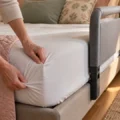
For those needing extra bedside support, consider Bed Rails for Seniors to reduce rolling and improve safe transfers.
1. Improve lighting without disrupting sleep
- Install motion-activated low-level lights. Place these along the path from bed to bathroom and inside the bathroom. Choose warm, low-lumen options that provide enough light to see obstacles while minimizing sleep disruption.
- Use night lights near the floor. Floor-level lighting reduces glare and helps people see uneven surfaces and thresholds.
- Add a dimmer or multiple light levels. If the bathroom has only a single bright fixture, consider adding a night light or dimmer switch so a bright light is not needed to navigate safely.
- Avoid bright overhead lights immediately after waking. Bright lights can cause temporary vision issues. Turn on low-level lighting first, then increase brightness if needed.
2. Create a clear, non-slip path
- Remove clutter and loose rugs. Keep the floor between the bed and bathroom clear of cords, slippers, books, and other items.
- Secure rugs and use non-slip backing. If small rugs are used, attach them with non-slip tape or choose rugs with rubberized backing.
- Apply traction strips to thresholds and steps. Small adhesive traction strips can prevent slips at transitions between rooms.
- Maintain dry floors. Wipe up any spills immediately and keep a towel available for quick drying if needed.
3. Improve bathroom surfaces and fixtures
- Install grab bars. Place them near the toilet and inside the shower or bathtub. Use professional-grade wall-mounted bars that are securely anchored to studs. Grab bars provide reliable support when sitting, standing, and transferring.
- Use non-slip mats inside and outside the tub or shower. Replace worn mats and ensure they have non-skid backing. Remove rugs that slide easily.
- Consider a raised toilet seat or toilet safety frame. A raised seat reduces the need for deep knee and hip bending, making transfers safer.
- Install a handheld shower head and shower seat. These reduce the need to stand for long periods and improve safety during bathing.
- Check water temperature controls. Anti-scald devices reduce the risk of burns if someone has impaired reaction time at night.
4. Add bedside toileting options
For people at high risk of falls or with frequent nighttime needs, bedside options make sense.
- Bedside commode. A portable commode can be placed near the bed so the person does not have to walk to the bathroom. It is less disruptive for sleep and reduces fall risk. Clean and store it properly to avoid odors and infection risk.
- Urinal or female urinal device. For men, bedside urinals can help avoid walking. For women, specially designed bedside urinals are available.
- Toilet riser or chair with commode feature. These combine support and convenience when a bedside solution is needed for longer periods of limited mobility.
5. Wear safer footwear
- Choose well-fitting, closed-back slippers with non-slip soles. Avoid flimsy or open-back slippers that can slip off. Look for rubber soles with good tread.
- Avoid walking in socks on slippery floors. Socks without traction increase risk. If socks are preferred for warmth, use non-slip socks with rubber grips.
6. Plan fluids and toileting timing
Small changes in fluid intake timing can reduce nighttime urgency without causing dehydration.
- Limit caffeine and alcohol in the evening. Both increase urine production and can disrupt sleep.
- Avoid large fluid intake within 1 to 2 hours of bedtime. For people with nocturia, front-loading fluids earlier in the day may help.
- Discuss bladder training or timed voiding with a healthcare professional. Scheduled toileting during the day and evening can reduce urgent nighttime trips for some people.
7. Review medications and health conditions
Certain medicines and medical conditions raise nighttime fall risk. A medication review can uncover modifiable contributors.
- Ask a clinician or pharmacist to review medications. Medications that cause drowsiness, orthostatic hypotension, or dizziness may be adjusted, changed, or dosed differently to lower risk at night.
- Discuss diuretics timing. If a diuretic is taken later in the day, changing the schedule to morning dosing may reduce nocturia.
- Address treatable conditions. Untreated low blood pressure, blood sugar issues, or infections can increase fall risk and should be evaluated.
8. Use assistive devices correctly
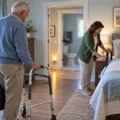
- Keep mobility aids within reach of the bed. If a walker or cane is used, place it next to the bed so the person can access it before standing.
- Ensure devices are the right size and adjusted properly. An improperly sized cane or walker can increase, rather than decrease, fall risk.
- Practice safe transfers using the assistive device. If needed, a short session with a physical or occupational therapist can teach safer transfer techniques.
9. Practice safe movement and balance strategies
- Get up slowly. Sitting up for a moment on the edge of the bed before standing reduces dizziness from sudden position changes. Pause and ensure steady footing before walking.
- Use the bed edge for support. When standing, push up from the bed using the arms and legs together rather than relying on a weak leg.
- Improve strength and balance. Regular balance and strength training exercises can reduce fall risk over time. Simple home exercises or community classes such as Tai Chi are helpful for many people.
10. Use alarms and monitoring when appropriate
- Bed and chair alarms. These can alert caregivers when a high-risk person gets up at night. Use them thoughtfully to respect independence and privacy while improving safety.
- Personal emergency response systems and pendants. Wearable emergency buttons can summon help after a fall. Keep the pendant near the bed each night.
- Smart home options. Motion sensors, video monitoring, and smart lighting can be used selectively for safety in homes where caregiver monitoring is appropriate and acceptable to the person being cared for.
11. Plan for caregiver-assisted toileting
When a caregiver provides nighttime assistance, safe transfer techniques and planning reduce risk for both the caregiver and the person receiving care.
- Use proper transfer techniques. Caregivers should be trained in using gait belts, pivot transfers, and two-person assists when needed.
- Keep supplies organized and ready. If assistance is likely, keep a flashlight, gloves, incontinence supplies, towels, and a phone within reach to avoid searching in the dark.
- Consider scheduling assistance for nights with higher risk. Some people benefit from caregiver help at specific hours to reduce unsupervised trips.
Common mistakes to avoid
- Relying on bright overhead lights immediately after waking. This can temporarily impair vision and lead to missteps.
- Leaving loose rugs or clutter in the path. Even small items can cause a fall in low light.
- Using unstable grab bars. Towel bars or suction-cup bars are not reliable substitutes for professionally installed grab bars.
- Ignoring footwear. Walking in socks on tile increases slip risk; non-slip footwear should be used instead.
- Assuming a single fix is enough. Combining measures such as lighting, grab bars, footwear, and medication review is usually more effective than one change alone.
When professional help may be needed
Seek professional input when falls or near-falls have occurred, when balance or strength is declining, or when overnight assistance significantly disrupts sleep or safety.
Ask for a medication review
A clinician or pharmacist can identify medications that increase fall risk and recommend adjustments. Use language such as the medication “may increase risk” when discussing options.
Consult a physical or occupational therapist
Therapists can assess walking, transfers, bed height, and bathroom setup, and provide tailored exercises and equipment recommendations. They can teach safer transfer techniques and advise on how to use mobility aids correctly.
Consider a home safety evaluation
Home health agencies, occupational therapists, or certified aging-in-place specialists can perform evaluations and suggest specific environmental changes such as grab bar placement, lighting improvements, and bathroom modifications.
Refer to urology or primary care for urinary symptoms
If frequent nighttime urination, urgency, or incontinence is present, a healthcare provider can investigate underlying causes and management strategies that may reduce nighttime trips and improve sleep.
Practical nighttime checklist
Use this short checklist each evening to reduce the risk of unsafe nighttime bathroom trips.
- Place non-slip slippers or non-slip socks within reach of the bed.
- Ensure a clear, uncluttered path to the bathroom.
- Turn on motion-activated or low-level path lighting.
- Place a phone or emergency pendant next to the bed.
- Keep mobility aid (cane, walker) next to the bed if used.
- Limit fluids starting 1 to 2 hours before bedtime, unless otherwise advised by a clinician.
- Ensure bathroom grab bars and non-slip mats are in place and secure.
- Keep cleaning supplies and extra towels available to dry wet floors quickly.
Real-world scenarios and simple solutions
Scenario: Dizziness when standing at night
A person who feels lightheaded after rising from bed may reduce risk by sitting on the edge of the bed for 30 seconds, shifting feet to the floor, and standing slowly. Improving lighting and using a walker for the first steps can help. A medication review may identify drugs that contribute to dizziness.
Scenario: Frequent nighttime urgency
If nocturia causes multiple trips, adjusting evening fluid timing and avoiding diuretics in the evening may decrease trips. A bedside commode can be a short-term solution while bladder strategies are implemented. Discuss persistent nocturia with a clinician because treatable medical causes may be present.
Scenario: Caregiver needs to assist at night
Organizing supplies, using a gait belt, and practicing two-person transfer techniques reduce injury for both caregiver and care recipient. A bedside commode and a properly placed night light simplify the process and lower fall risk.
Products and modifications that commonly help
Products can support safety when chosen and used correctly. Avoid relying on products that are not designed for safety, such as suction-cup grab bars. Below are commonly helpful options.
- Wall-mounted grab bars for toilet and shower areas
- Raised toilet seats or toilet safety frames
- Non-slip mats for shower and bathroom floors
- Motion-activated night lights and low-level path lighting
- Bedside commodes and urinal devices for temporary or permanent bedside toileting
- Shower chairs and handheld shower heads for safer bathing
- Non-slip slippers or non-slip socks with good tread
- Bed and personal emergency alarms for caregiver alerting and fall response
Frequently asked questions
1. Is it better to use a bedside commode or walk to the bathroom?
For people at high risk of falling or with limited mobility, a bedside commode can be safer because it eliminates the need to walk in the dark. For people who are mobile and steady, walking to the bathroom with good lighting and footwear may be preferable. The right choice depends on risk level, mobility, and personal preference.
2. What kind of lighting is best for nighttime bathroom trips?
Low-level, warm-colored lights at floor level and motion-activated path lights are ideal because they provide enough visibility without causing strong glare that can temporarily impair vision after waking. Avoid very bright overhead lights if possible.
3. Can changing my medication schedule help reduce nighttime trips?
Potentially. Moving diuretics and some other medications to earlier in the day can reduce nocturia. Medications that cause drowsiness or low blood pressure may also be adjusted. Always discuss medication changes with a prescribing clinician or pharmacist.
4. How do I choose the right grab bars for my bathroom?
Select wall-mounted grab bars that are firmly anchored into studs or use professional installation. Place them horizontally near the toilet and vertically or angled in shower areas where they support standing and transfer movements. Avoid temporary suction-cup bars for fall prevention.
5. Are rugs safe in the bathroom or hallway?
Small rugs can be a tripping hazard if they slide. If rugs are used, secure them with non-slip backing or double-sided tape. Consider removing rugs in high-traffic nighttime paths to reduce risk.
6. How can caregivers safely assist someone who needs help to the bathroom at night?
Caregivers should use safe transfer techniques, consider a gait belt, and organize supplies in advance. Two-person assists may be necessary for some transfers. Training from a physical or occupational therapist or a visiting nurse can improve safety for both caregiver and care recipient.
7. What should I do after a nighttime fall, even if I seem uninjured?
After a fall, check for pain, ability to move joints, and any head injury signs such as confusion or nausea. If there is any concern about injury, dizziness, or loss of consciousness, seek medical evaluation. Even without apparent injury, inform a clinician about the fall so underlying causes can be assessed and prevention steps can be taken.
Conclusion
How to make nighttime bathroom trips safer combines straightforward environmental changes, practical habits, and, when needed, professional input. Start with easy steps: add low-level lighting, clear the path, wear non-slip footwear, and install secure grab bars. Consider bedside toileting options for higher risk situations, and ask a clinician to review medications and medical causes that may increase risk. Small, consistent changes often prevent falls and preserve independence while improving sleep and peace of mind.